
IDEAL EYE SURGERY
Cataracts
Clear, confident vision starts with a precise diagnosis and a plan that fits your eyes and your life.
What Is a Cataract?
A cataract is a clouding of your eye’s natural lens. When we’re young, our natural lens is clear and flexible, allowing us to easily shift focus between near and far. Over time, it becomes stiff and cloudy, leading to blurry vision, glare, and trouble seeing at night. When the clouding starts to interfere with daily activities, it’s called a cataract. Cataract surgery restores clear vision by replacing the cloudy lens with a clear, artificial one.
Common Cataract Symptoms
Lorem ipsum dolor sit amet, consectetur adipiscing elit, sed do eiusmod tempor incididunt ut labore et dolore magna aliqua. Ut enim ad minim veniam, quis nostrud.
Blurred vision
Faded or yellowed colors
Trouble seeing at night
Halos or glare around lights
Sensitivity to light
Double vision or ghost images in one eye
Blurred vision
Faded or yellowed colors
Trouble seeing at night
Halos or glare around lights
Sensitivity to light
Double vision or ghost images in one eye
Am I a Candidate for Cataract Surgery?
If cataracts are affecting your ability to read, drive, or enjoy daily life—and your eye exam confirms a cataract—surgery may be recommended.
Why Choose Ideal Eye Surgery?
Personalized care
Your eyes, activities, and goals guide your plan.
Expert team you can trust
Our surgeons are among the nations most experienced in cataract and vision correction surgery - having restored clear sight to more than 25,000+ patients
Professional and Trust-Building
When desired, your optometrist remains an active partner in your care - our team coordinates every step for a smooth, connected experience.
Convenient
Patient-focused care
Leading with innovation
Our surgeons use the most advanced technology available to ensure every patient receives the best possible vision correction.
Your Treatment Options (Lens Choices)
During cataract surgery, the cloudy natural lens is replaced with a clear intraocular lens (IOL). Your surgeon will recommend an option based on your eyes and lifestyle.
Single Vision IOLs
Set for one visual range (near or distance). Will still need glasses for other distances.
Toric IOLs
Lens to correct astigmatism. Can be set for one visual range. May still need glassed for other distances.
Extended Range IOLs
Blended vision for intermediate vision, monovision for near vision.
Multifocal/EDOF IOLs
For multiple visual ranges. Also available with toric astigmatism correction.
Bilateral Light Adjustable IOLs
For multiple visual ranges. Custom vision with a series of light treatments after surgery to achieve desired outcome.
What to Expect: Step-by-Step
Lorem ipsum dolor sit amet, consectetur adipiscing elit, sed do eiusmod tempor incididunt ut labore et dolore magna aliqua. Ut enim ad minim veniam, quis nostrud.
Consultation & testing
Comprehensive measurements and a discussion of your goals.
Your plan
Lens recommendation and a customized surgery plan; we review benefits, risks, and costs.
Surgery Day
Outpatient procedure; you go home the same day with instructions.
Recovery & follow-up
Most people notice vision changes soon after surgery. Your care team and/or your optometrist will see you to confirm you’re healing as expected.
Recovery, Risks & Safety
Cataract surgery is common, but any procedure has potential risks. We’ll explain benefits, risks, alternatives, and what to expect for your eyes. You’ll have the chance to review them with your surgery team prior to scheduling.
This page is educational and not medical advice. Your surgeon will explain whether surgery is appropriate for you.
Cost, Insurance & Financing
Medicare and many insurance plans typically cover medically necessary cataract surgery. Some lens options and vision-enhancing upgrades may involve out-of-pocket costs.
Insurance & Medicare
We'll verify your benefits and provide an out-of-pocket estimate
Financing
We accept payments from CareCredit. Information regarding applications can be found below
Price transparency
We'll provide a written estimate before you decide.
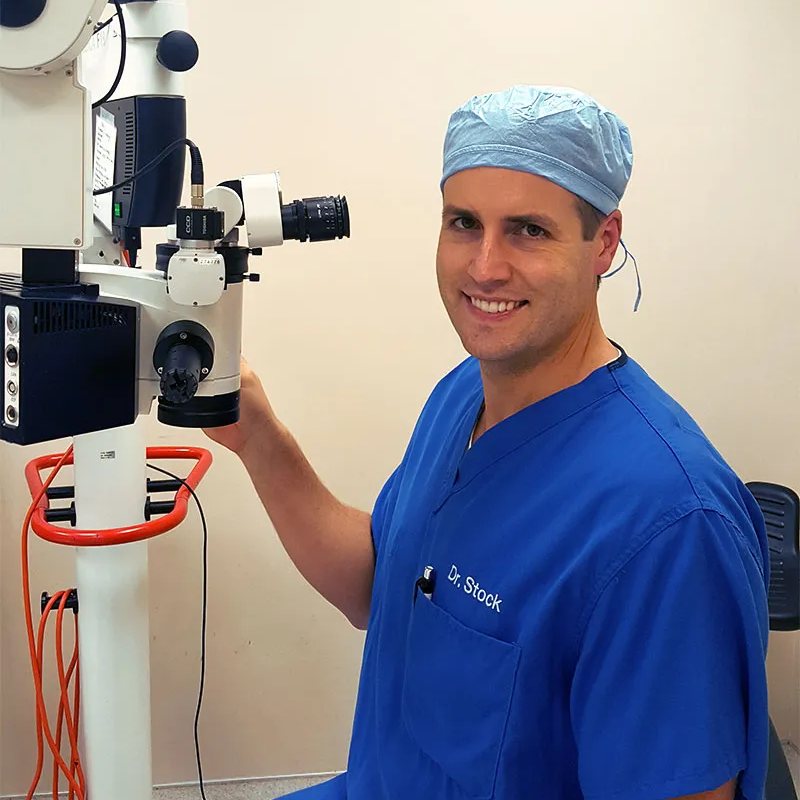
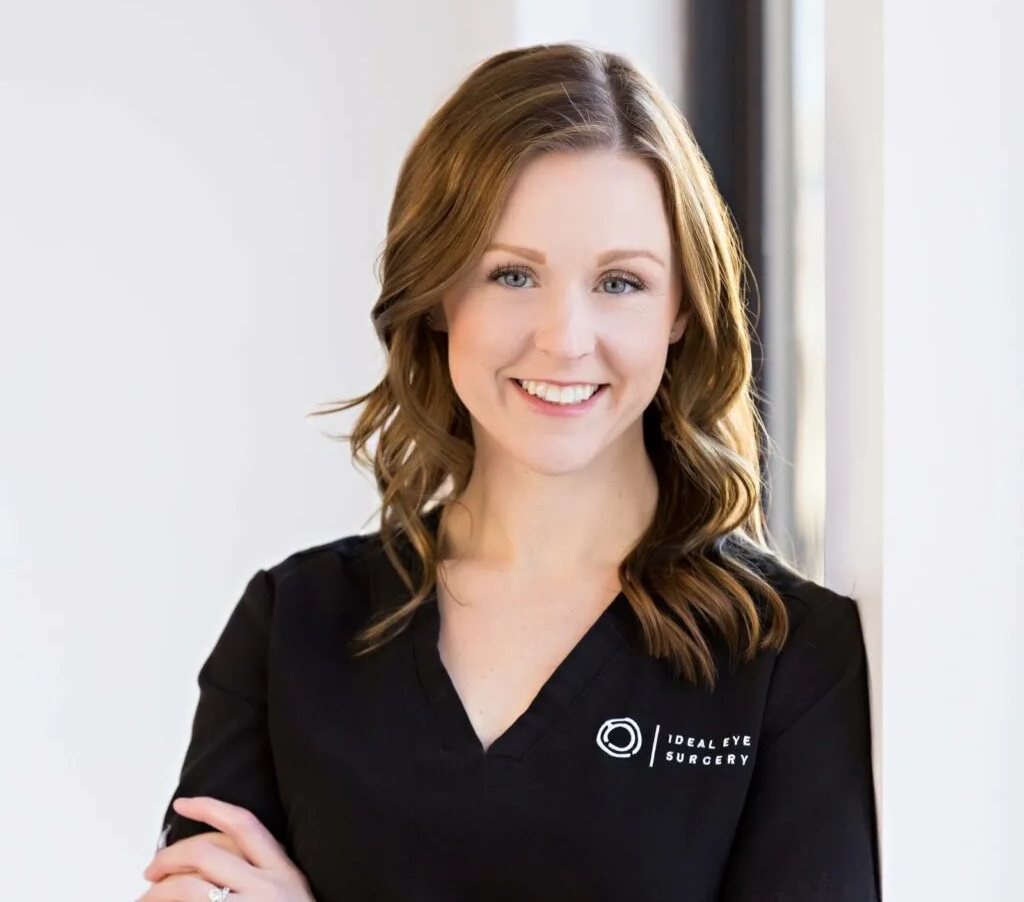
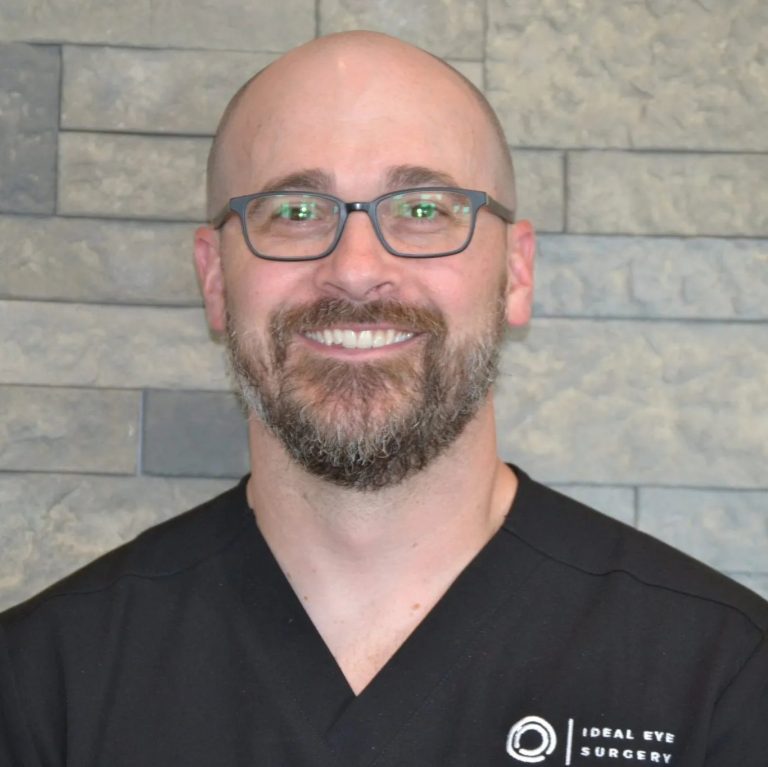
Meet Your Cataract Surgeons
Our cataract surgeons combine advanced surgical training, modern technology, and a personalized approach to deliver vision outcomes tailored to each patient’s eyes and lifestyle.
Patient Stories
FAQs
A few assorted common questions we often hear from our cataracts patients along with helpful answers. Have other questions for us? Please reach out and contact us, we look forward to helping you!
When cataracts limit your daily activities and an exam confirms a cataract, we'll review options with you.
That depends on your eyes and the lens you choose. Many people still use glasses for certain tasks.
You'll receive medication to keep you comfortable. Most patients describe pressure rather than pain.
Plan to rest the day of surgery; we'll share specific instructions and see you soon after for post-operative care.
We address one eye at a time to ensure full recovery prior to your second surgery.
Yes. If your optometrist is a referring provider, we keep them informed and coordinate your follow-up appointments.