

IDEAL EYE SURGERY
Glaucoma
Don’t let Glaucoma steal your sight: Early detection and advanced treatment options are available.
What Is a Glaucoma?
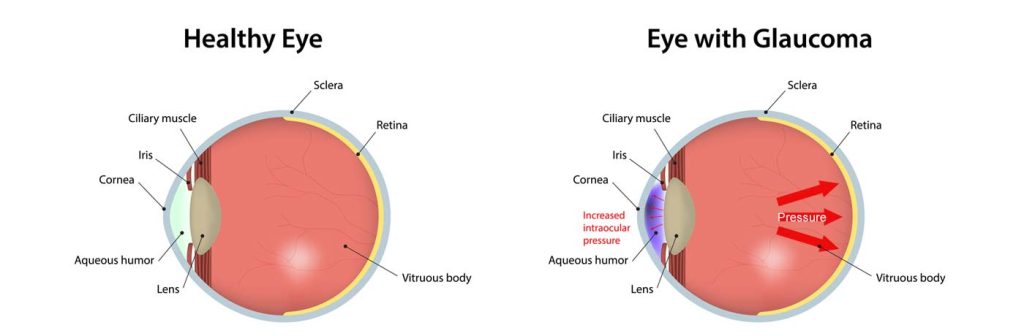
Glaucoma is a serious eye condition that can lead to permanent vision loss. It occurs when the pressure inside your eye becomes too high, damaging the optic nerve, the vital link that carries visual signals from your eye to your brain. Once this nerve becomes compromised, it cannot be repaired, which is why early detection and consistent monitoring are essential.
At Ideal Eye Surgery, we are committed to protecting your vision. Every eye exam includes a thorough check of your eye pressure and a careful look at your optic nerve. If we notice signs that suggest elevated pressure or possible damage, we begin proactive steps to manage the condition before it impacts your eyesight.
Who Is at Risk for Glaucoma?
Although glaucoma can affect people of any age, it is most commonly diagnosed in adults over 60. However, younger individuals with certain risk factors should also be vigilant about their eye health. These include:
High degrees of nearsightedness
A family history of glaucoma
Prolonged use of steroid medications
Pre-existing health conditions such as diabetes or sickle cell disease
How Eye Pressure Affects Vision
Your eye naturally maintains its shape and function through a constant flow of fluid. This fluid is produced in the middle of the eye and exits through a specialized drainage system at the front. If the drainage system becomes clogged or begins to fail with age, pressure can build inside the eye.
In most cases, the normal eye pressure range falls between 11 and 21 mmHg. When that pressure rises and remains elevated, it begins to damage the optic nerve. Interestingly, some people can experience optic nerve damage at pressures within the normal range, especially those with underlying health conditions or thinner corneal tissue. That’s why comprehensive eye exams are essential, even for individuals who do not feel any symptoms
Recognizing Glaucoma Symptoms
One of the most dangerous aspects of glaucoma is how silently it progresses. The eye does not register the sensation of pressure, and the initial damage affects peripheral vision, which people may not notice right away. By the time glaucoma impacts central vision, the condition may have already advanced significantly.
In rare cases, a sudden increase in eye pressure can cause noticeable symptoms such as blurred or hazy vision, headaches, eye pain, and nausea. This is known as Acute Angle-Closure Glaucoma and requires immediate medical attention.
For the vast majority of patients, though, glaucoma offers no early warning signs. That’s why regular screenings at Ideal Eye Surgery are so important for early detection.
Advanced Glaucoma Treatment Options
Medicated Eye Drops
Many patients benefit from prescription eye drops that reduce the production of fluid or increase fluid drainage. These are often the first line of treatment and can be effective when used consistently.
SLT Laser (Selective Laser Trabeculoplasty)
This quick, non-invasive treatment is performed right in our office. SLT uses targeted laser energy to stimulate the eye’s natural drainage system, improving fluid outflow and lowering intraocular pressure. It is painless and can often reduce or eliminate the need for daily eye drops. The procedure can also be repeated as needed to maintain long-term pressure control.
ECP Laser (Endoscopic Cyclophotocoagulation)
ECP is typically performed in combination with cataract surgery. It takes less than a minute and helps reduce fluid production inside the eye. This procedure can significantly reduce or eliminate the need for glaucoma medications after surgery. Like SLT, it is covered by most health insurance plans.
Surgical Solutions
For advanced cases of glaucoma that do not respond to medications or laser treatment, surgical options are available. These procedures create a new drainage path for eye fluid, helping to lower pressure and protect the optic nerve from further damage. Our team will walk you through your options and help determine the most effective approach.
Why Choose Ideal Eye Surgery?
Personalized care
Your eyes, activities, and goals guide your plan.
Expert team you can trust
Our surgeons are among the nations most experienced in cataract and vision correction surgery - having restored clear sight to more than 25,000+ patients
Professional and Trust-Building
When desired, your optometrist remains an active partner in your care - our team coordinates every step for a smooth, connected experience.
Convenient
Patient-focused care
Leading with innovation
Our surgeons use the most advanced technology available to ensure every patient receives the best possible vision correction.
Am I a Candidate for Cataract Surgery?
If cataracts are affecting your ability to read, drive, or enjoy daily life—and your eye exam confirms a cataract—surgery may be recommended.
What to Expect: Step-by-Step
Lorem ipsum dolor sit amet, consectetur adipiscing elit, sed do eiusmod tempor incididunt ut labore et dolore magna aliqua. Ut enim ad minim veniam, quis nostrud.
Consultation & testing
Comprehensive measurements and a discussion of your goals.
Your plan
Lens recommendation and a customized surgery plan; we review benefits, risks, and costs.
Surgery Day
Outpatient procedure; you go home the same day with instructions.
Recovery & follow-up
Most people notice vision changes soon after surgery. Your care team and/or your optometrist will see you to confirm you’re healing as expected.
Recovery, Risks & Safety
Cataract surgery is common, but any procedure has potential risks. We’ll explain benefits, risks, alternatives, and what to expect for your eyes. You’ll have the chance to review them with your surgery team prior to scheduling.
This page is educational and not medical advice. Your surgeon will explain whether surgery is appropriate for you.
Cost, Insurance & Financing
Medicare and many insurance plans typically cover medically necessary cataract surgery. Some lens options and vision-enhancing upgrades may involve out-of-pocket costs.
Insurance & Medicare
We'll verify your benefits and provide an out-of-pocket estimate
Financing
We accept payments from CareCredit. Information regarding applications can be found below
Price transparency
We'll provide a written estimate before you decide.
Meet Your Cataract Surgeons
Lorem ipsum dolor sit amet, consectetur adipiscing elit, sed do eiusmod tempor incididunt ut labore et dolore magna aliqua. Ut enim ad minim veniam, quis nostrud.
Patient Stories
FAQs
A few assorted common questions we often hear from our cataracts patients along with helpful answers. Have other questions for us? Please reach out and contact us, we look forward to helping you!
If you are over the age of 60 or have risk factors such as a family history of glaucoma, diabetes, or high myopia, it’s recommended to have a comprehensive eye exam every year. For individuals between 40 and 60 without known risk factors, screening every two years is typically sufficient. These exams help detect changes in eye pressure or optic nerve health early, before symptoms appear. At SureVision Eye Centers, our doctors tailor screening frequency based on your risk profile to ensure long-term eye health.
Glaucoma is a chronic condition that cannot be cured, but it can be successfully managed. Early diagnosis and consistent treatment can significantly slow its progression and help preserve vision. Treatment options, including prescription eye drops, laser procedures, and surgery, aim to lower intraocular pressure and protect the optic nerve from further damage. Many patients live full lives with healthy vision by following their treatment plans closely and attending regular follow-up visits.
Vision loss from glaucoma is permanent. Once the optic nerve fibers are damaged, they cannot regenerate. That’s why catching glaucoma early is so important. While we cannot restore lost vision, we can help stop additional damage. With the right care, most people with glaucoma can maintain stable vision for many years. Preventative care, early intervention, and consistent follow-up are the most effective tools for avoiding vision loss.
No, laser treatments such as SLT (Selective Laser Trabeculoplasty) and ECP (Endoscopic Cyclophotocoagulation) are typically quick and painless. SLT is performed in-office, requires no incisions, and most patients report minimal discomfort, often described as a brief stinging sensation. ECP is done during cataract surgery and adds only a few seconds to the procedure. These advanced treatments offer a convenient and effective way to lower eye pressure, often reducing or eliminating the need for daily eye drops.
Glaucoma does not have to result in blindness. In fact, with proper medical management, most people diagnosed with glaucoma retain good vision throughout their lives. The key is early detection and staying committed to treatment. That includes regular check-ups, taking prescribed medications as directed, and being alert to any changes in vision. At Ideal Eye Surgery, we take a proactive approach to glaucoma care, focusing on long-term vision protection through personalized treatment plans and continuous monitoring.
Yes, glaucoma can run in families. If you have a parent, sibling, or grandparent diagnosed with glaucoma, your risk of developing it is higher. Genetic factors can affect how your eyes regulate pressure or how your optic nerve responds to changes in pressure. Let your eye doctor know about any family history so that screening and monitoring can be started early.
While lifestyle changes cannot replace medical treatment, certain habits can support overall eye health. These include maintaining a healthy blood pressure, exercising regularly, eating a diet rich in leafy greens and antioxidants, and avoiding smoking. It’s also important to follow your medication regimen closely and keep your appointments. If you are unsure about how your daily habits may impact your glaucoma, your SureVision provider can help guide you.