
IDEAL EYE SURGERY Glossary
Discover the Anatomy of the Eye
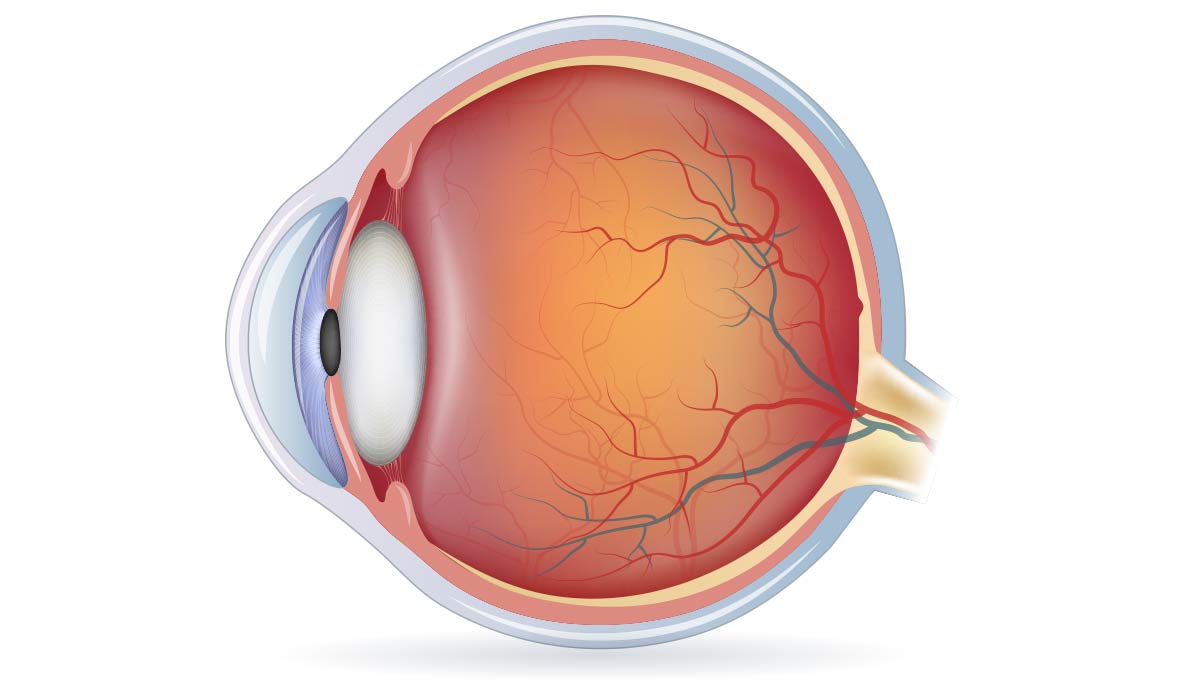
OPTIC NERVE
RETINA
VITREOUS HUMOR
CHOROID
Iris
The iris is the colored, ring-shaped membrane surrounding the pupil. The connective tissues and smooth muscle fibers adjust themselves to allow light into the eye by shrinking or widening the pupil. When people ask what color eyes you have, they are asking what color your irises are!
Cornea
The cornea is the clear structure at the front of the eye that makes up the central, outer surface. It is like the windshield of a car allowing light inside and protecting the iris and pupil. And just like a windshield, if it becomes cloudy or opaque, it can significantly limit a person’s ability to see.
Pupil
The pupil is a dark circular opening in the center of the iris. In conjunction with the iris, the pupil allows light to enter the eye so that it can be focused on the retina and begin the process of sight. When the iris works to make the pupil larger in low-light situations, it is allowing as much light in as possible so that you can have better night vision. On the other hand, when the iris works to make the pupil smaller in high-light situations, it is restricting the amount of light in to avoid a glare, discomfort, or even damage.
Lens
The lens is an elastic, transparent tissue behind the iris. It changes shape to bend and focus light, forming a clear image in the back of the eye. It expands to focus on close objects and becomes thinner to focus on distant objects.
Retina
The retina is the light-sensitive membrane that lines the inner surface of the back of the eye. It is made up of layers of cells, including a layer of millions of photoreceptor cells. They gather the light that is focused by the cornea and lens and use it to produce images. This combination of nervous and chemical signals are transported through the optic nerve to the visual centers of the brain for interpretation. The signals are then converted into images of what you visually see every day!
Optic Nerve
The optic nerve is a cable-like arrangement of nerve fibers at the back of the eye that connects your brain to the eye. By receiving light signals from about 125 million photoreceptor cells in the retina, the optic nerve transfers the resulting impulses to the brain and then interprets them as images.